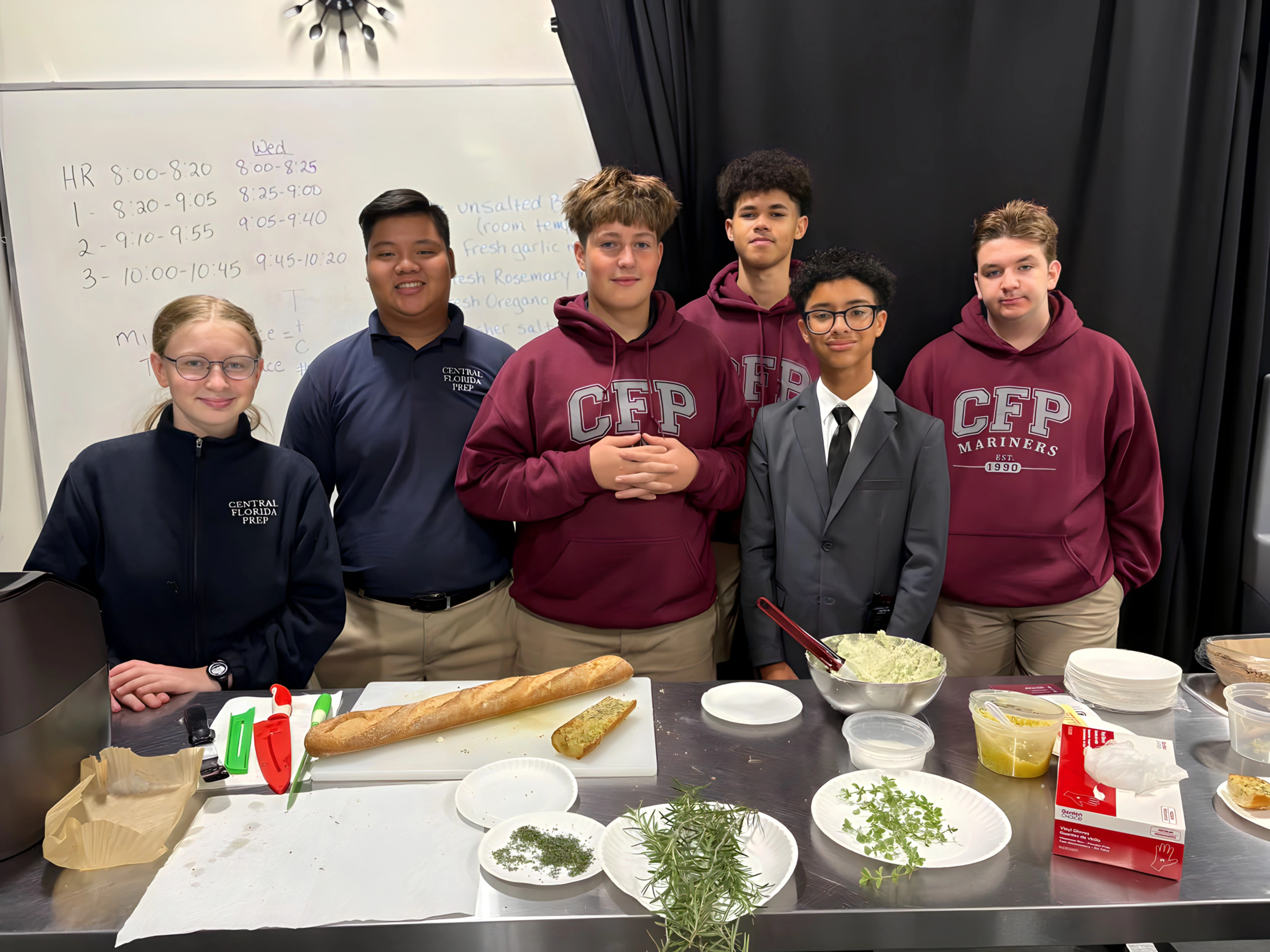
What Students Create
Six hands-on pillars where students grow, harvest, cook, and learn the science of food.
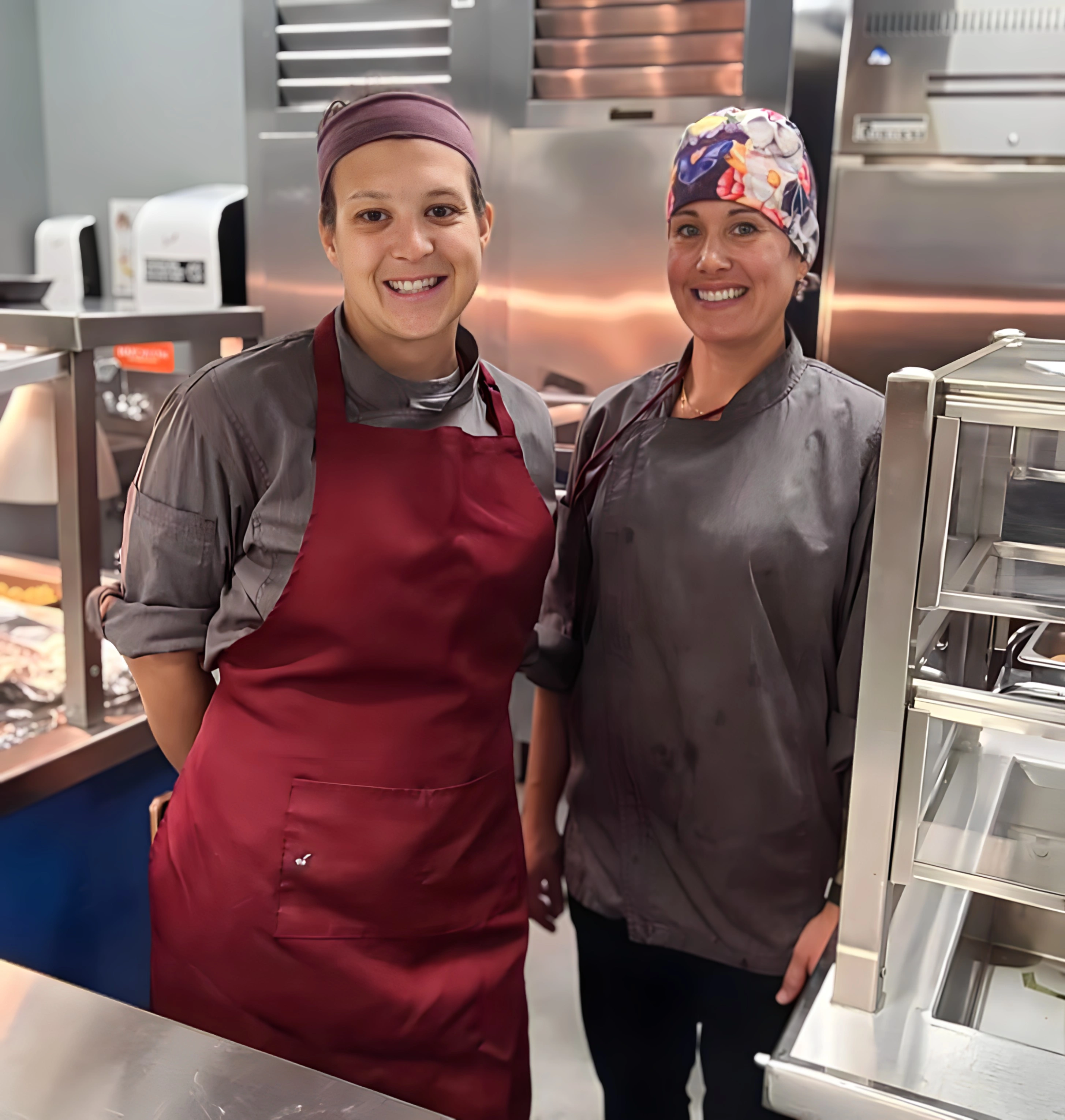
Professional Kitchen
The state-of-the-art culinary classroom culinary room has individual cooking stations, a commercial hood system, and restaurant-quality appliances so every student works hands-on.
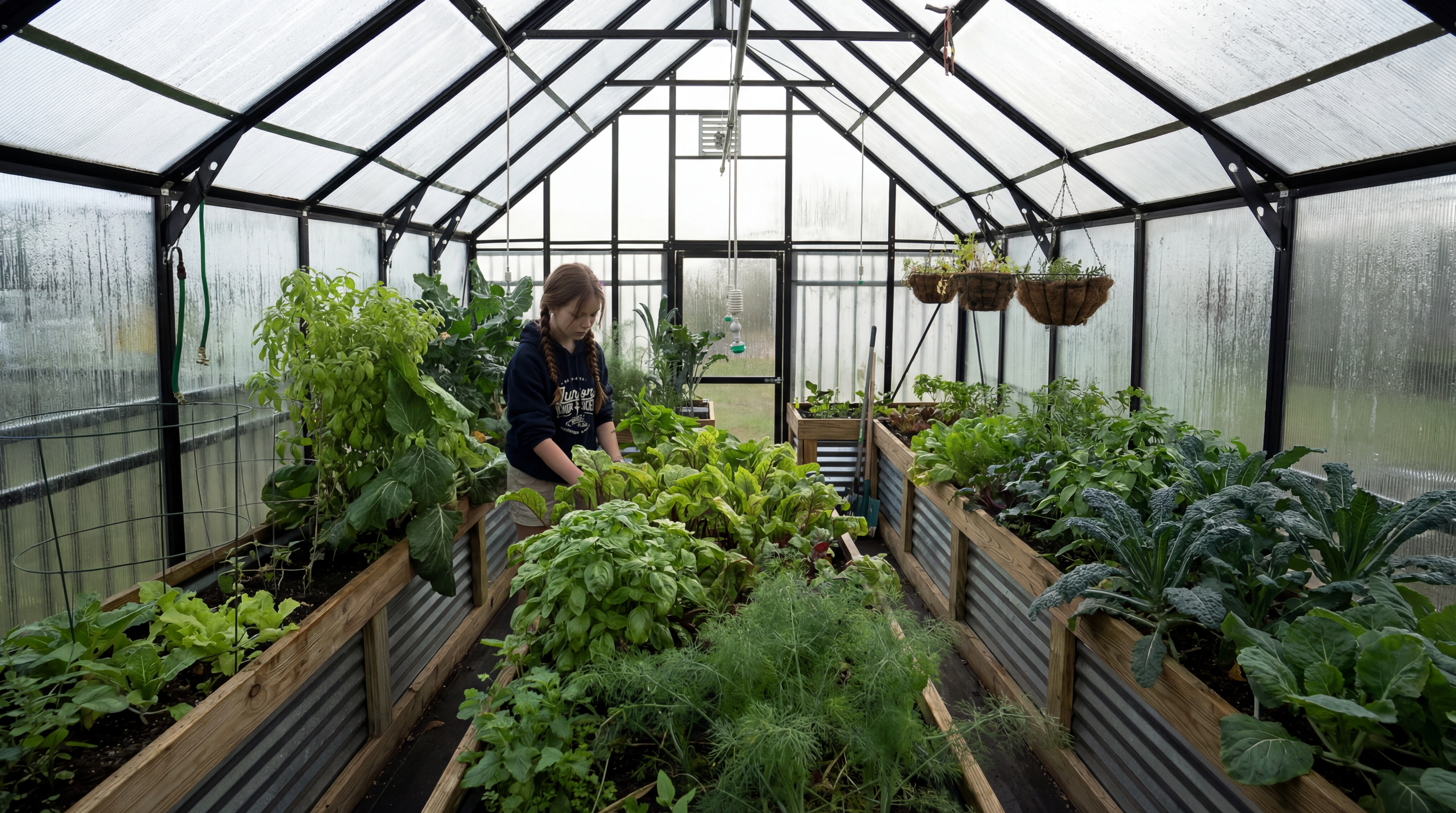
Solar Greenhouses
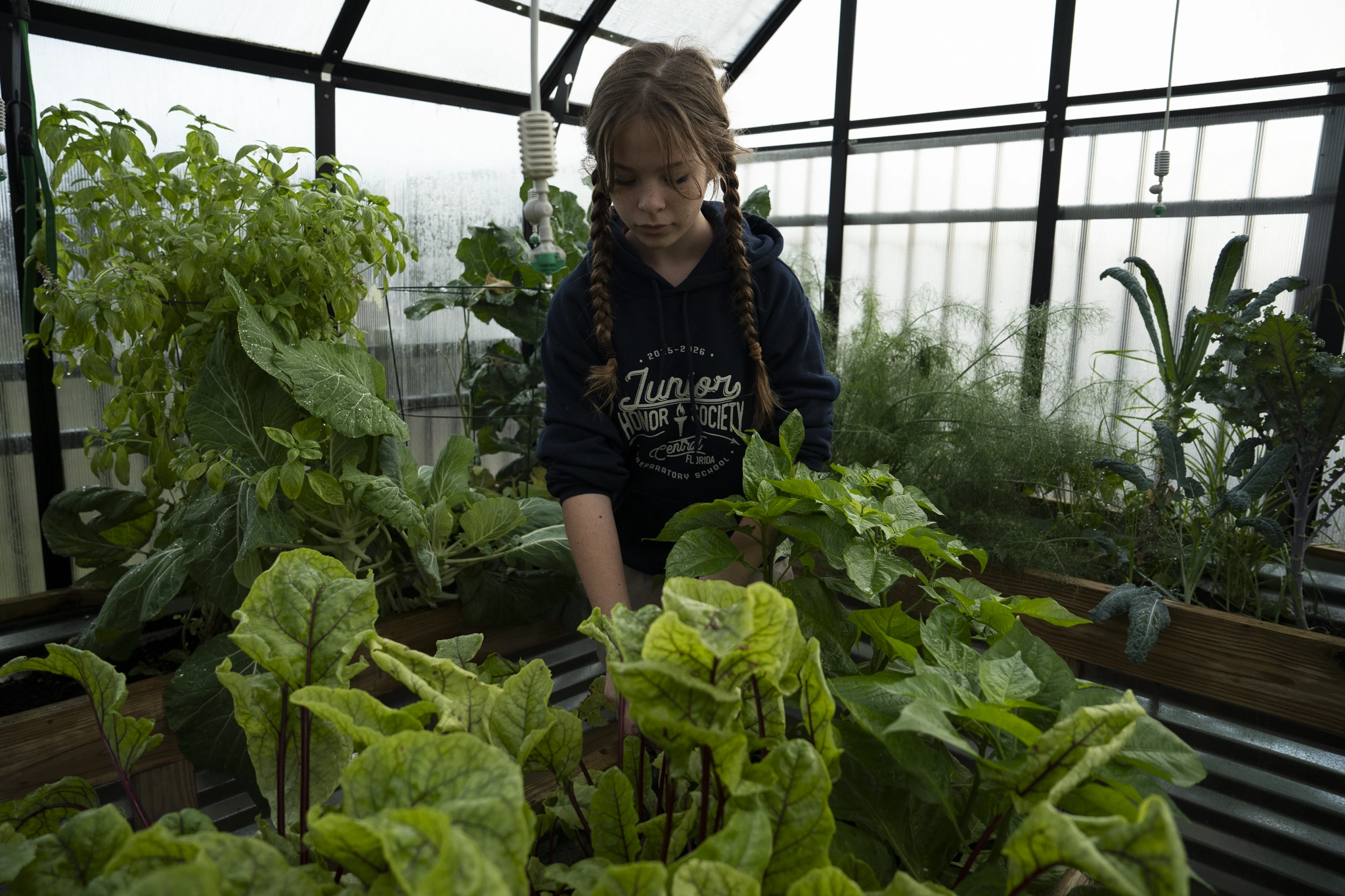
Two fully solar-powered 8x16 greenhouses using both soil and hydroponic growing techniques. Students learn sustainable agriculture from seed to harvest.
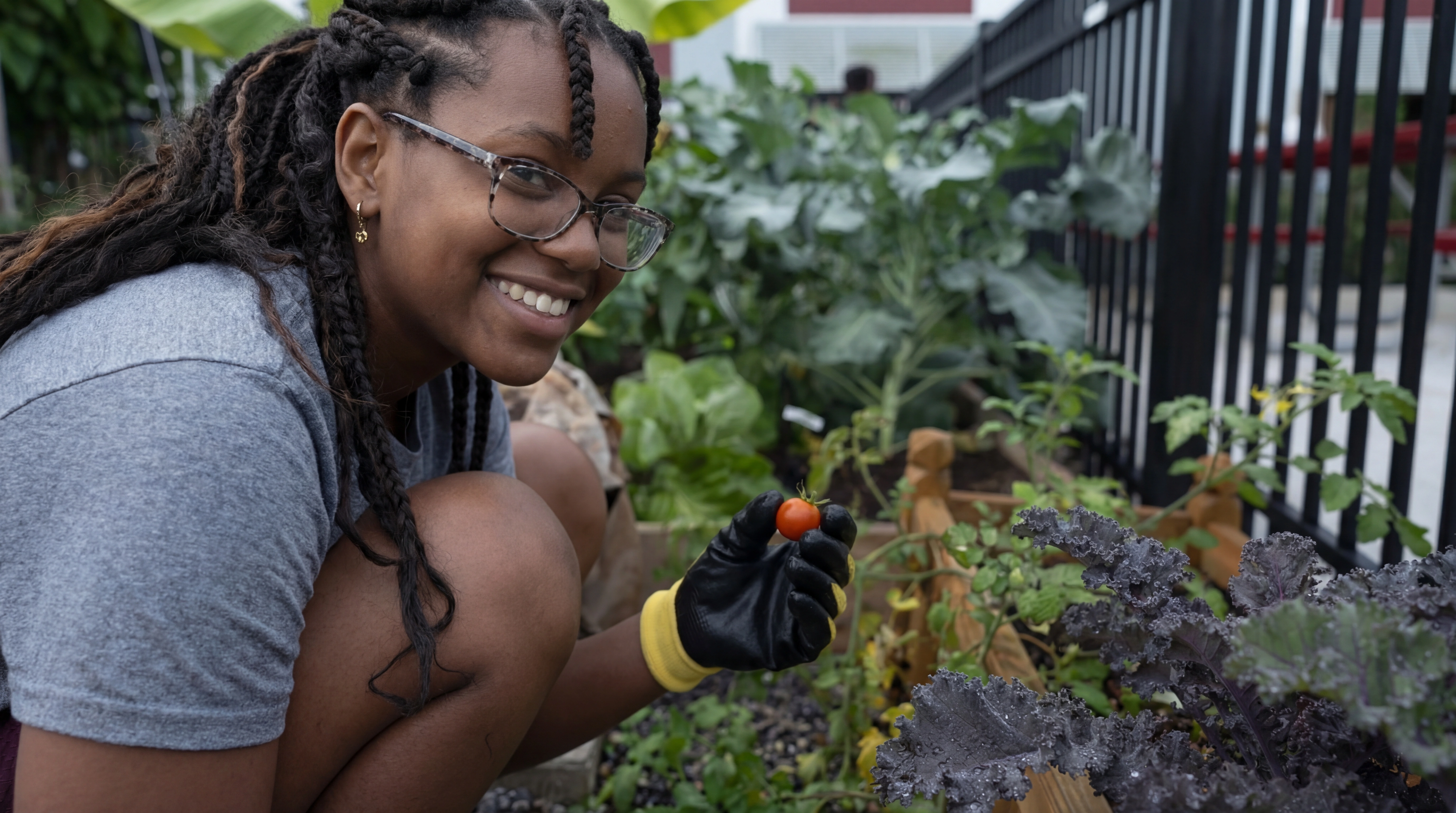
Farm-to-Table Pipeline
Students grow ingredients in raised garden beds and greenhouses, then use those same ingredients in culinary class. They see the full cycle from soil to plate.
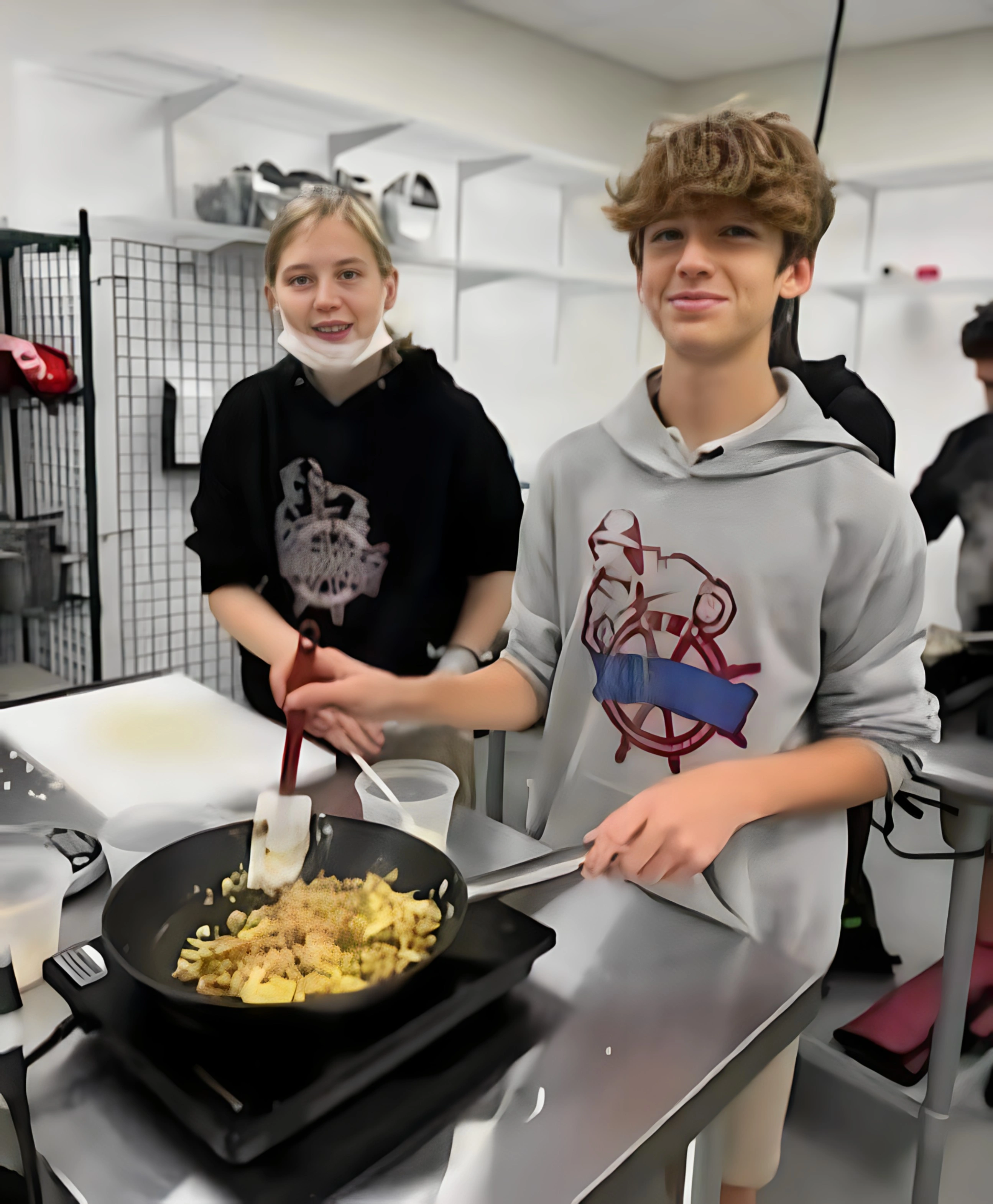
Nutrition Science
Students learn the science of food: macronutrients, portion planning, food safety, and how dietary choices affect the body. Cooking becomes a lesson in biology and chemistry.
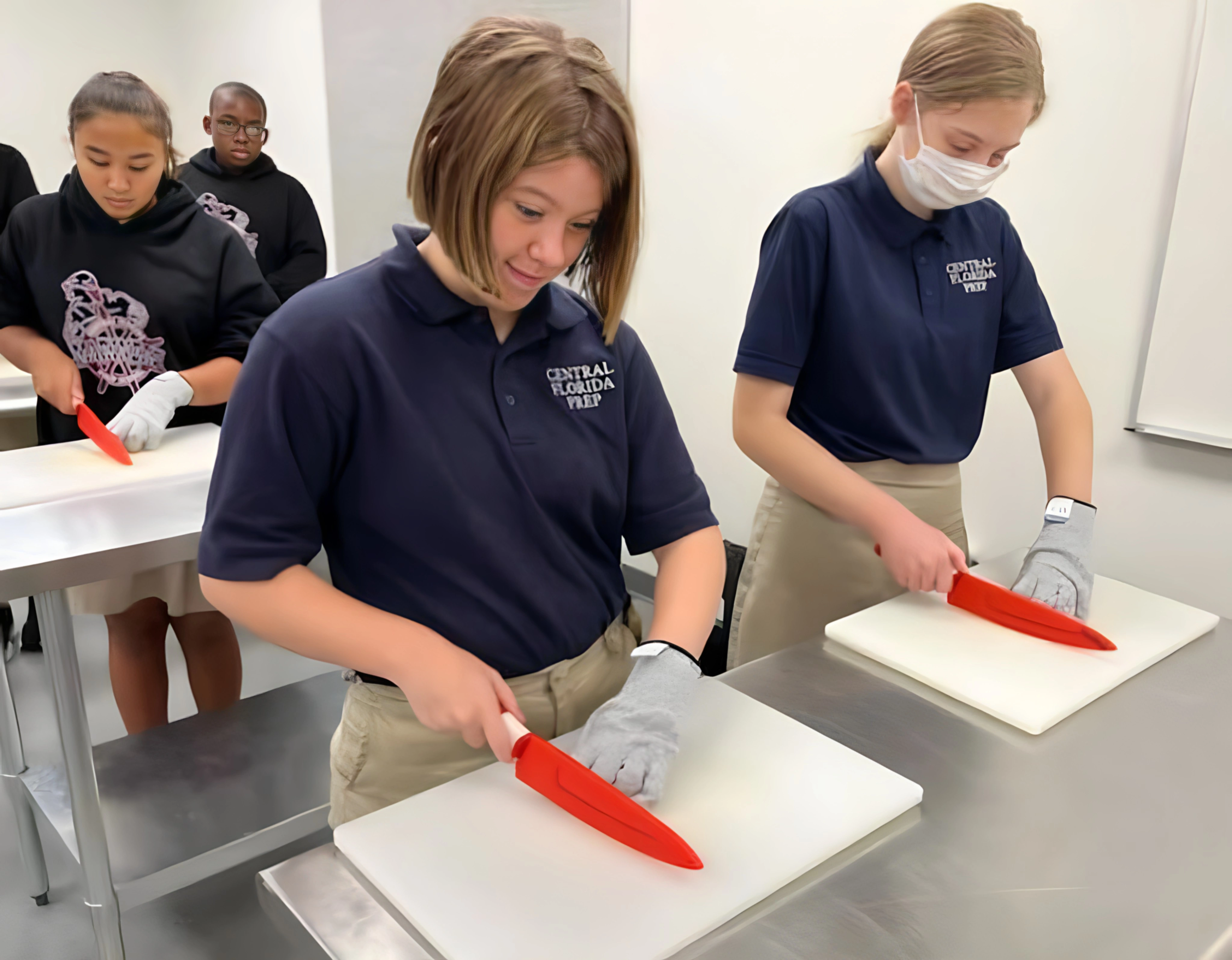
Expert Chef Instruction
Professionally trained chefs bring real-world culinary experience to the classroom. Students learn knife skills, cooking techniques, plating, and kitchen management.
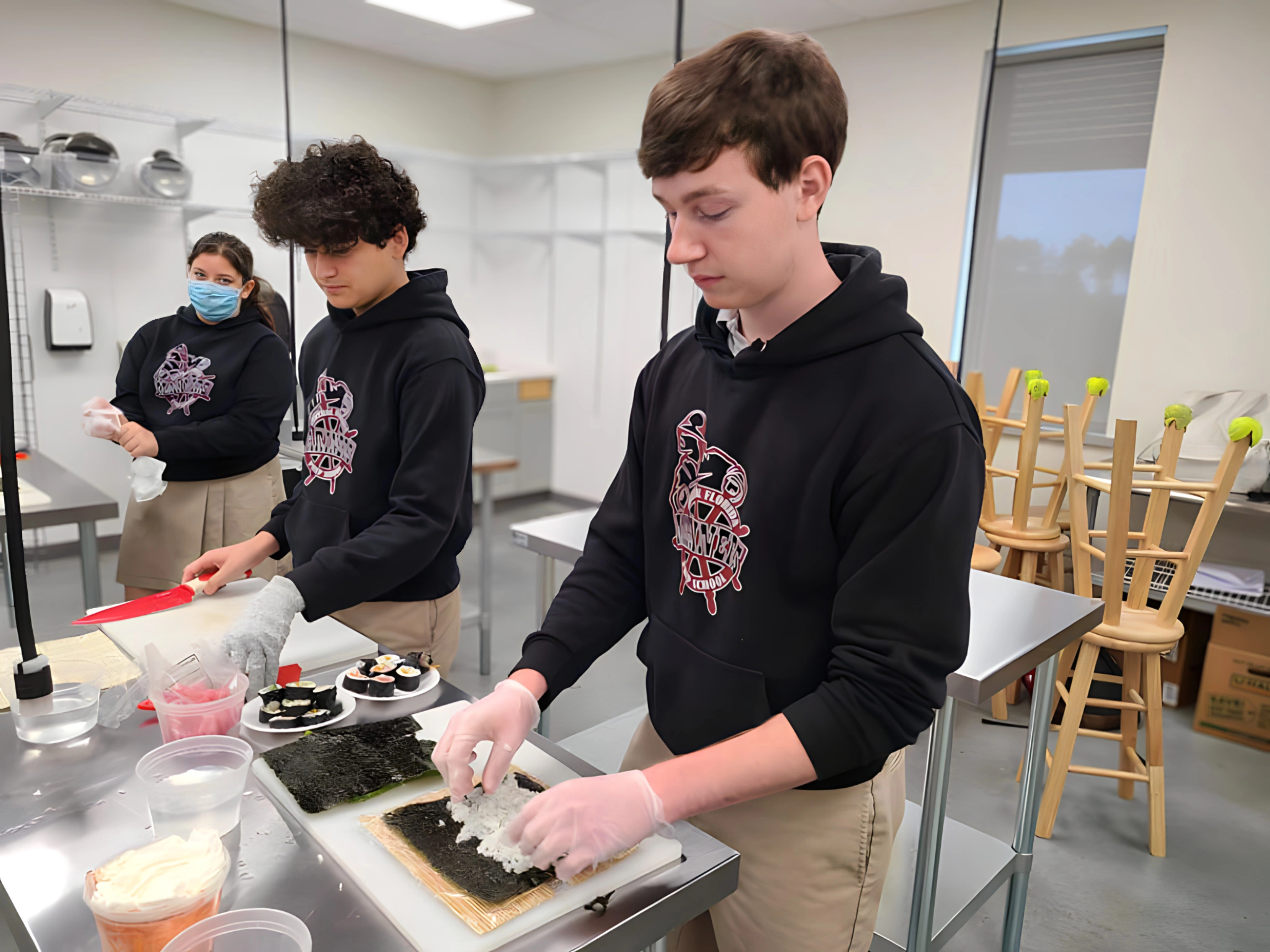
Hands-On Learning
Every student has their own cooking station with individual workspace and electrical drop-ins. No watching from the back of the room.
My daughter comes home and cooks dinner for the family now. She learned knife skills, how to follow a recipe, and how to improvise. That confidence in the kitchen started at CFP.
Growing (1st-5th)
Elementary students plant seeds, track growth, measure progress, and learn basic botany through the greenhouse and garden bed programs.
Harvesting (6-8)
Middle school students manage crop cycles, study soil science and hydroponics, and prepare simple recipes using ingredients they grew.
Cooking (9-12)
Upper school students take culinary arts as an elective, learning professional techniques, recipe development, nutrition, and kitchen management.
The state-of-the-art culinary classroom
Opening August 2026, the new Robert A. Flanders Athletic and Performing Arts Center houses a professional culinary kitchen with individual stations and commercial equipment.
The state-of-the-art culinary classroom Kitchen
Opening August 2026, the Robert A. Flanders Athletic and Performing Arts Center features a state-of-the-art culinary room. The professional kitchen includes a commercial hood system, individual electrical drop-ins at each cooking station, restaurant-quality appliances, and dedicated storage and preparation spaces.
Students work at their own stations under the guidance of trained chefs, building knife technique, food safety habits, and the confidence to cook independently.
Farm-to-Table Culinary Education in Apopka, FL
Central Florida Preparatory School's culinary arts program takes students on the full food journey, from greenhouse to kitchen. Students plant seeds in two solar-powered greenhouses, tend crops in raised garden beds, manage hydroponic systems, and harvest fresh produce they use in their own recipes. This integrated approach connects agriculture science, nutrition, environmental stewardship, and culinary arts into a single hands-on experience that builds real-world knowledge students carry beyond the classroom.
The new Robert A. Flanders Athletic and Performing Arts Center, opening August 2026, houses a professional culinary kitchen with a commercial hood system, individual cooking stations with electrical drop-ins, and restaurant-quality appliances. Under the guidance of trained chefs, students develop knife skills, food safety practices, recipe development techniques, and plating presentation. The culinary program connects directly to science, math, and nutrition coursework, giving students a tangible link between what they grow, what they cook, and what they study in the classroom.