What Students Build
Seven hands-on programs where students design, code, print, fly, and solve real problems.
Biomedical Technology
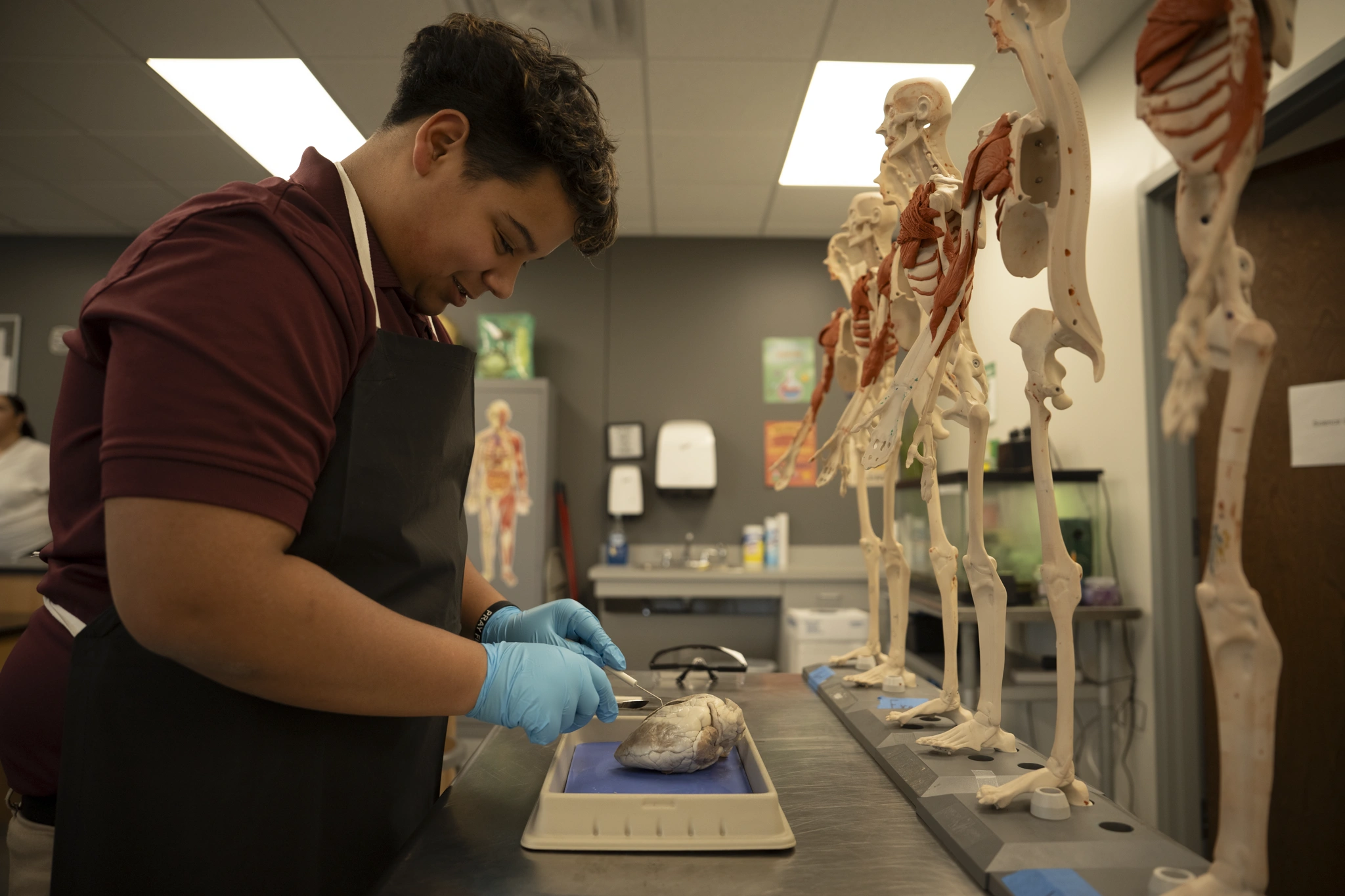
Through the PLTW Biomedical Science pathway, students dissect organs, analyze DNA, study how diseases spread, and learn the science behind modern medicine.
Flight Simulators
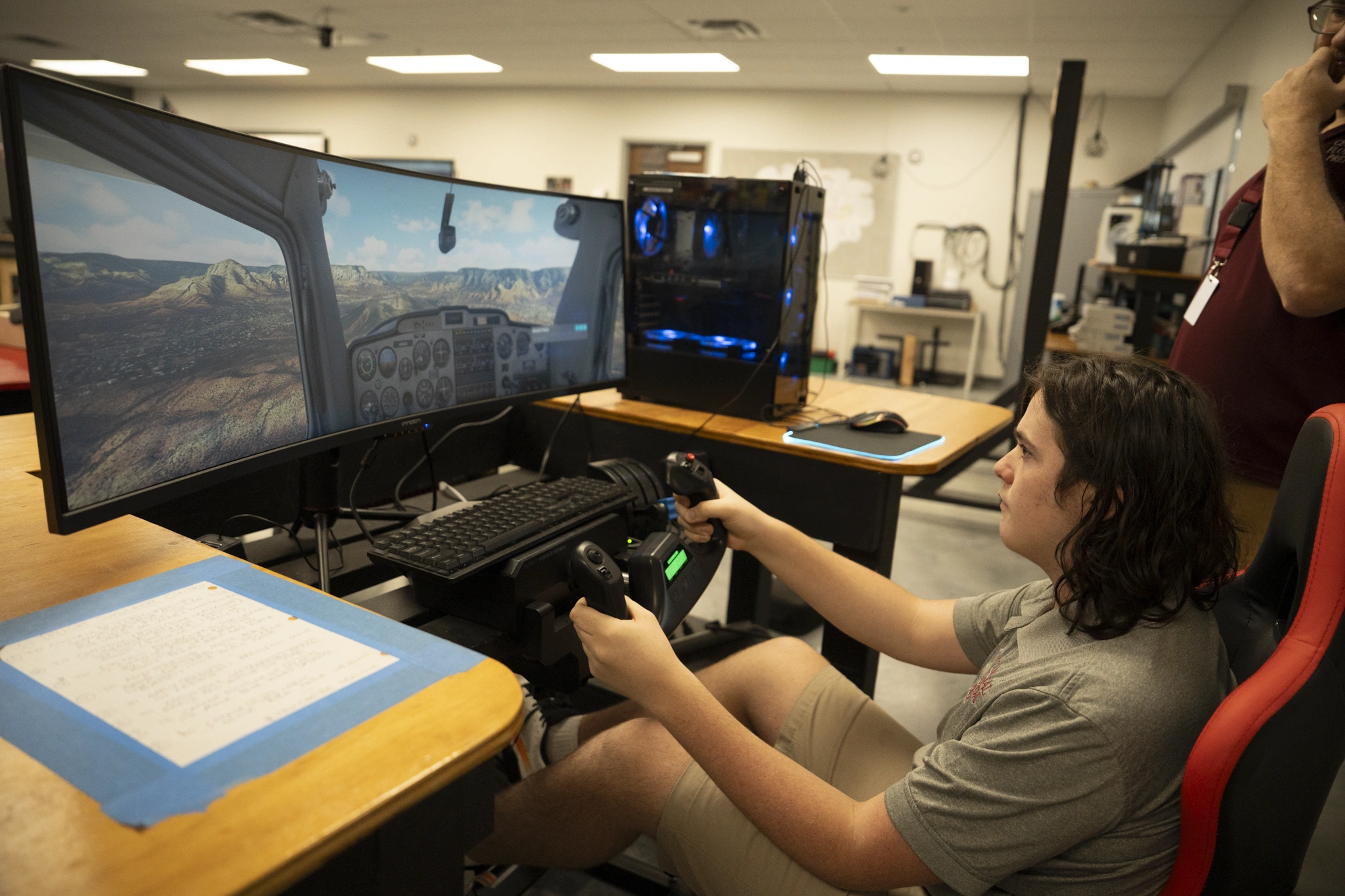
Aviation-grade simulation stations let students practice takeoff, landing, and navigation. They learn to read instruments, plan flights, and react to in-flight problems in real time.
Robotics
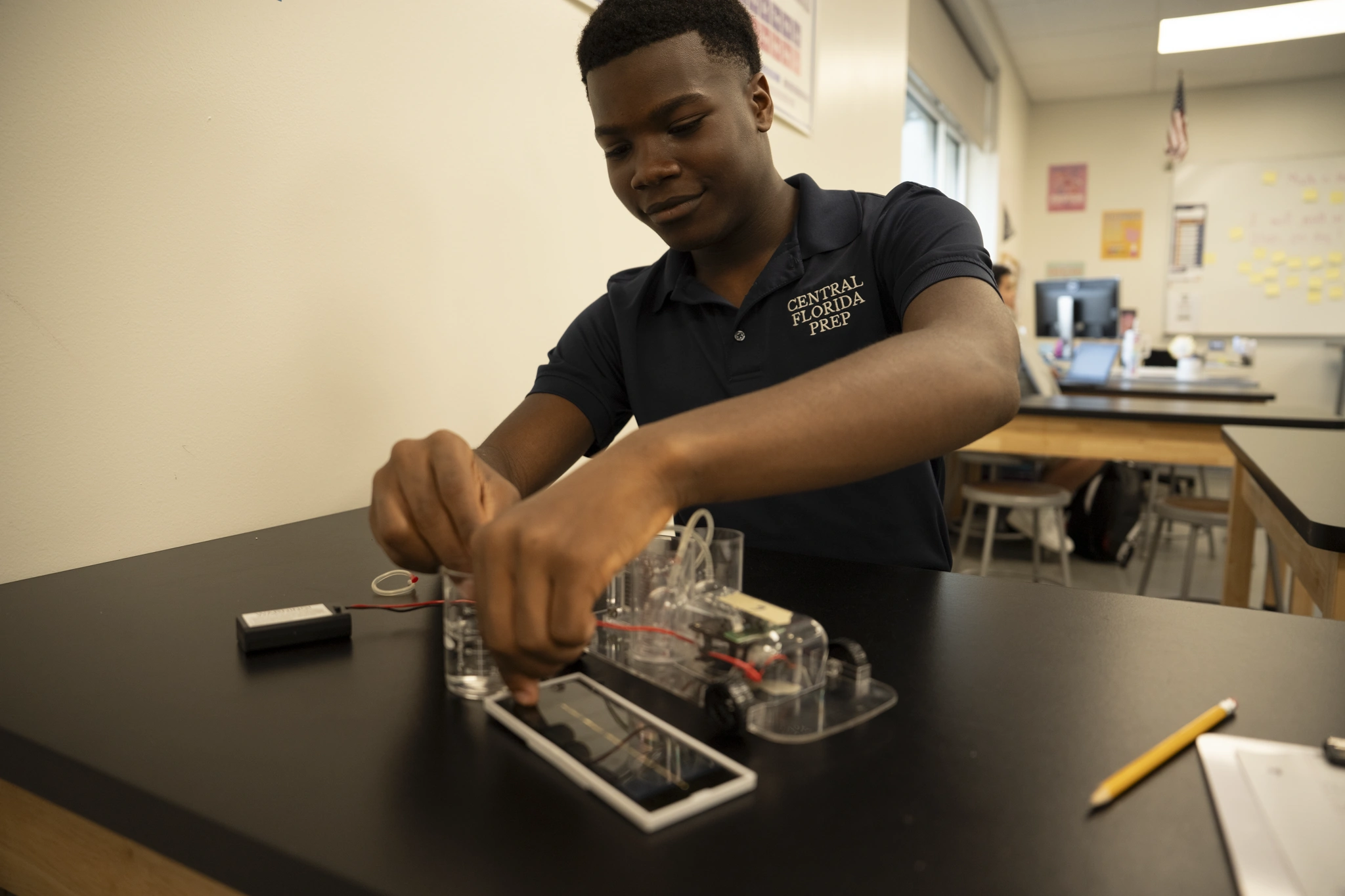
Students design, build, and program robots from the ground up. They learn mechanical engineering, sensor integration, and computational logic through hands-on lab challenges and competitions.
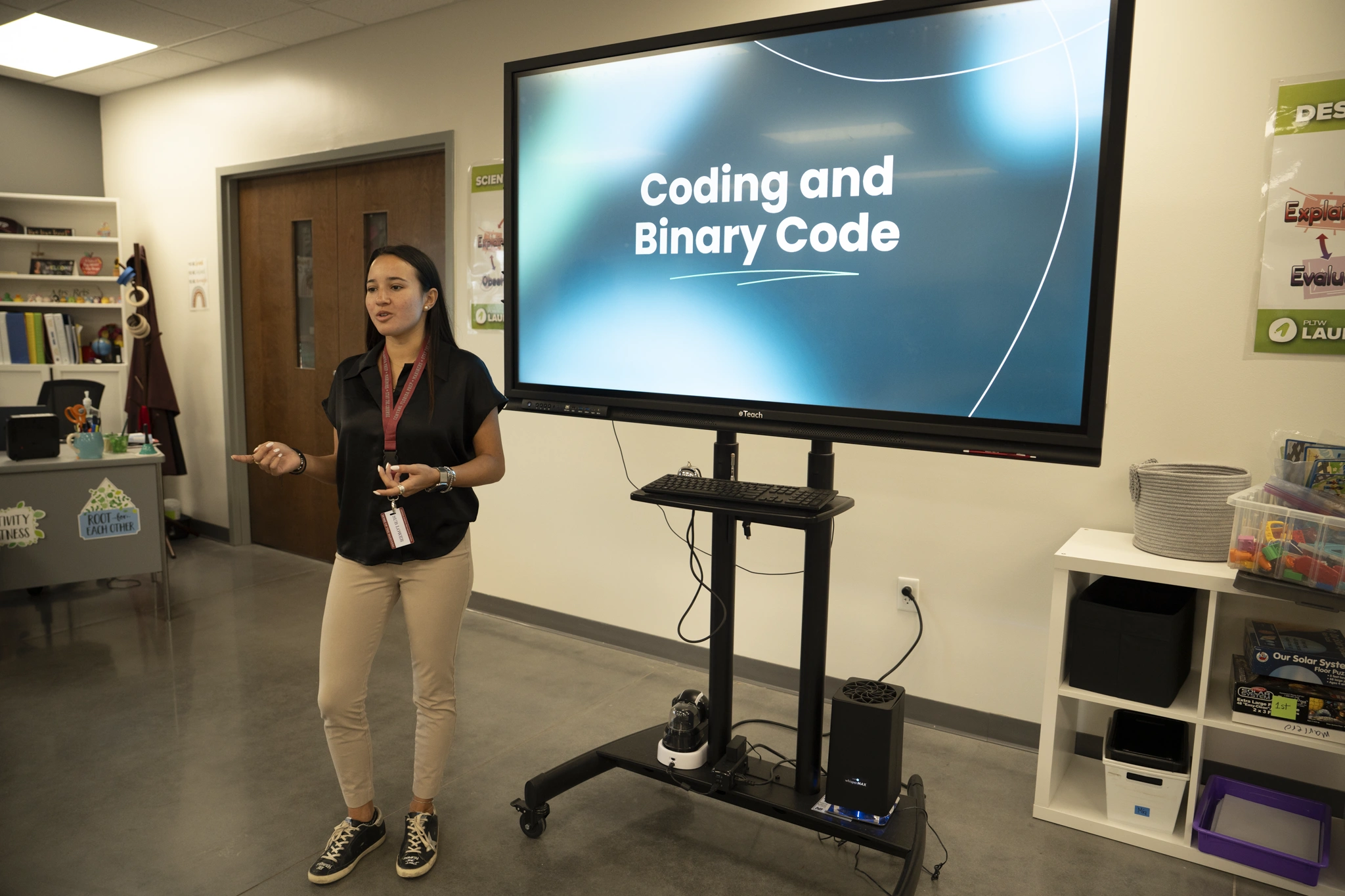
Coding & Computer Science
From block-based coding in elementary to Python, Java, and web development in upper school. Students build apps, websites, and software projects that solve real problems.
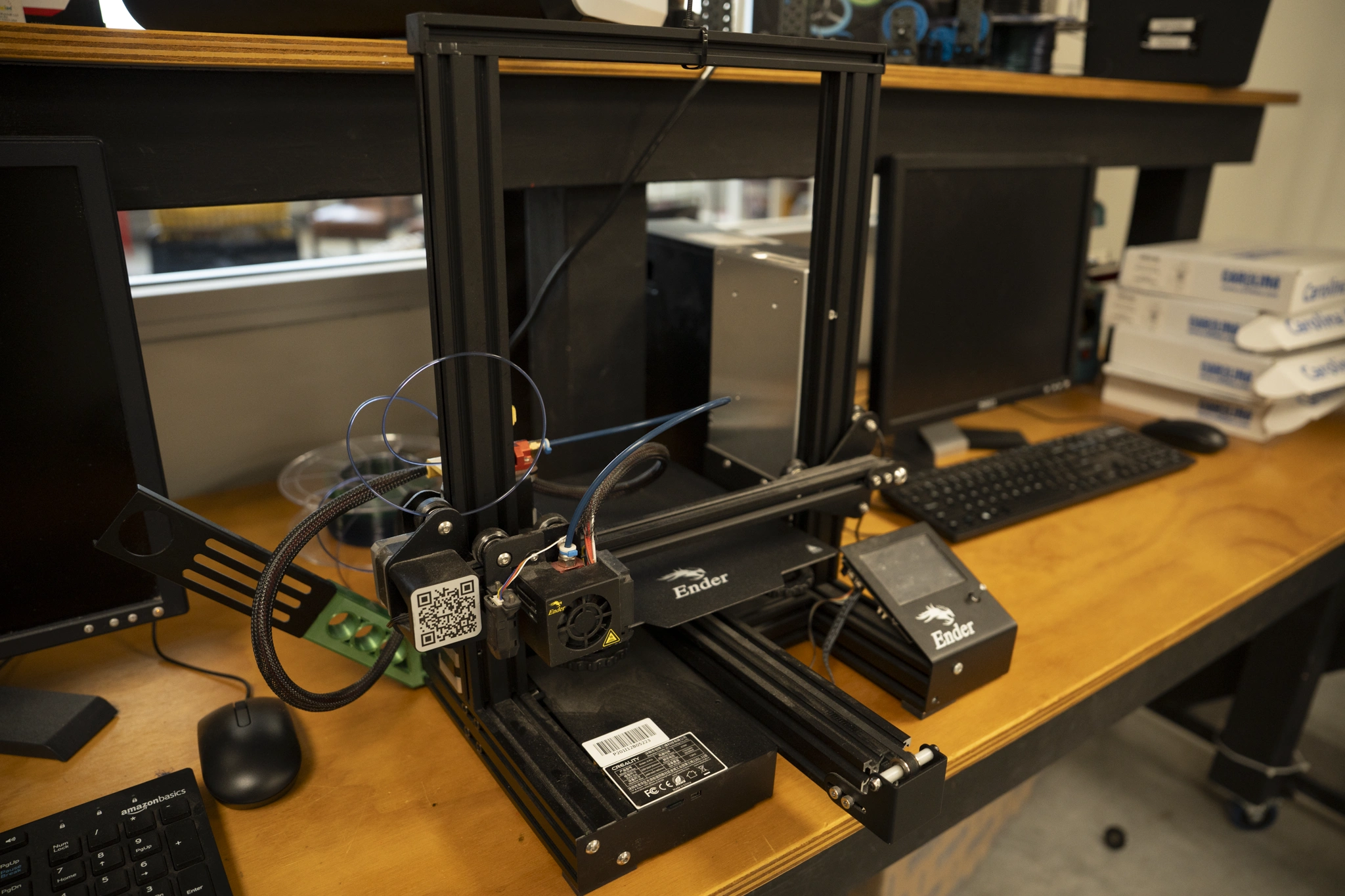
3D Printing & Fabrication
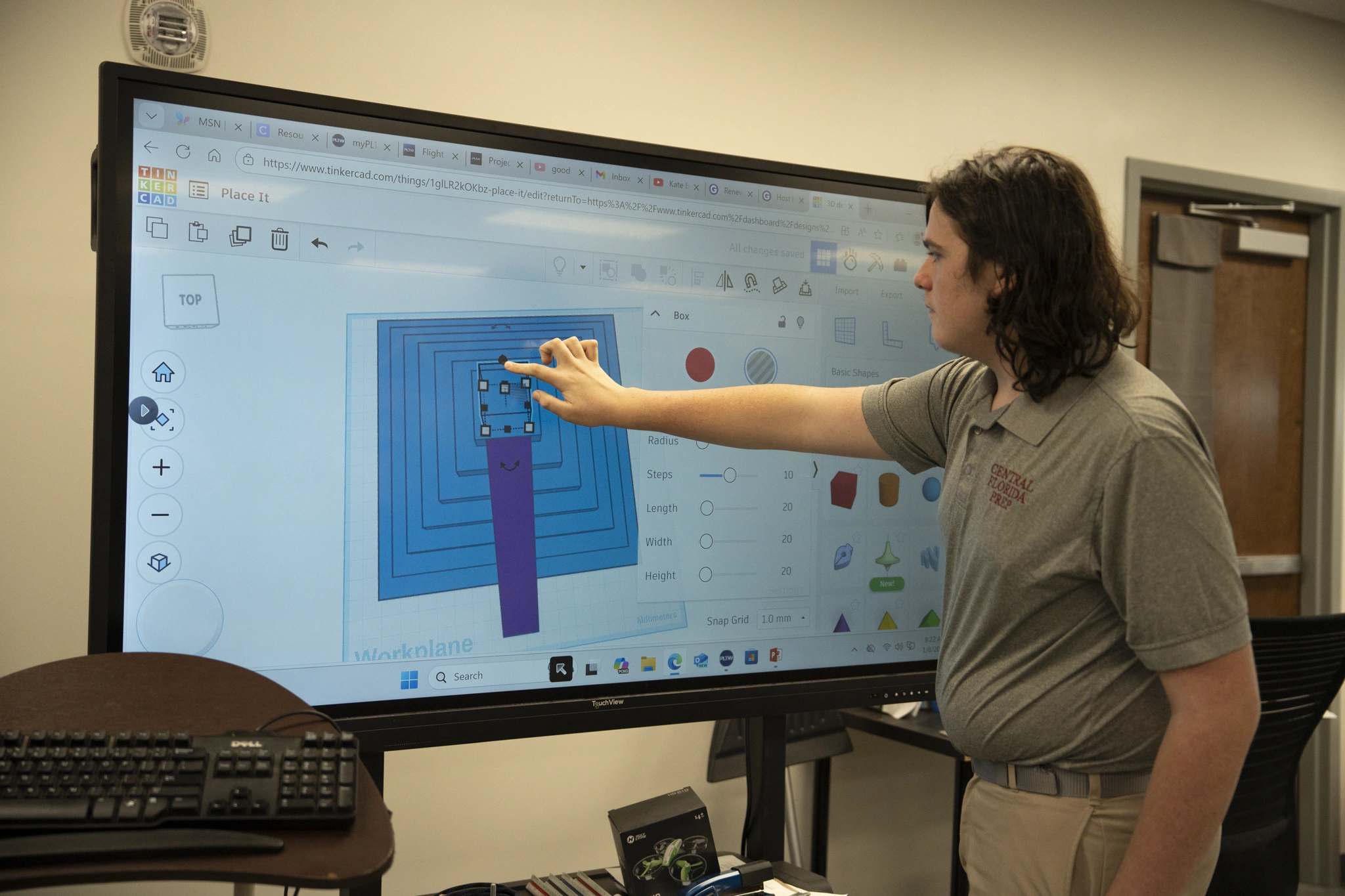
Students take ideas from screen to physical object. They learn CAD design, prototyping, and iterative problem-solving by creating functional parts, tools, and models.
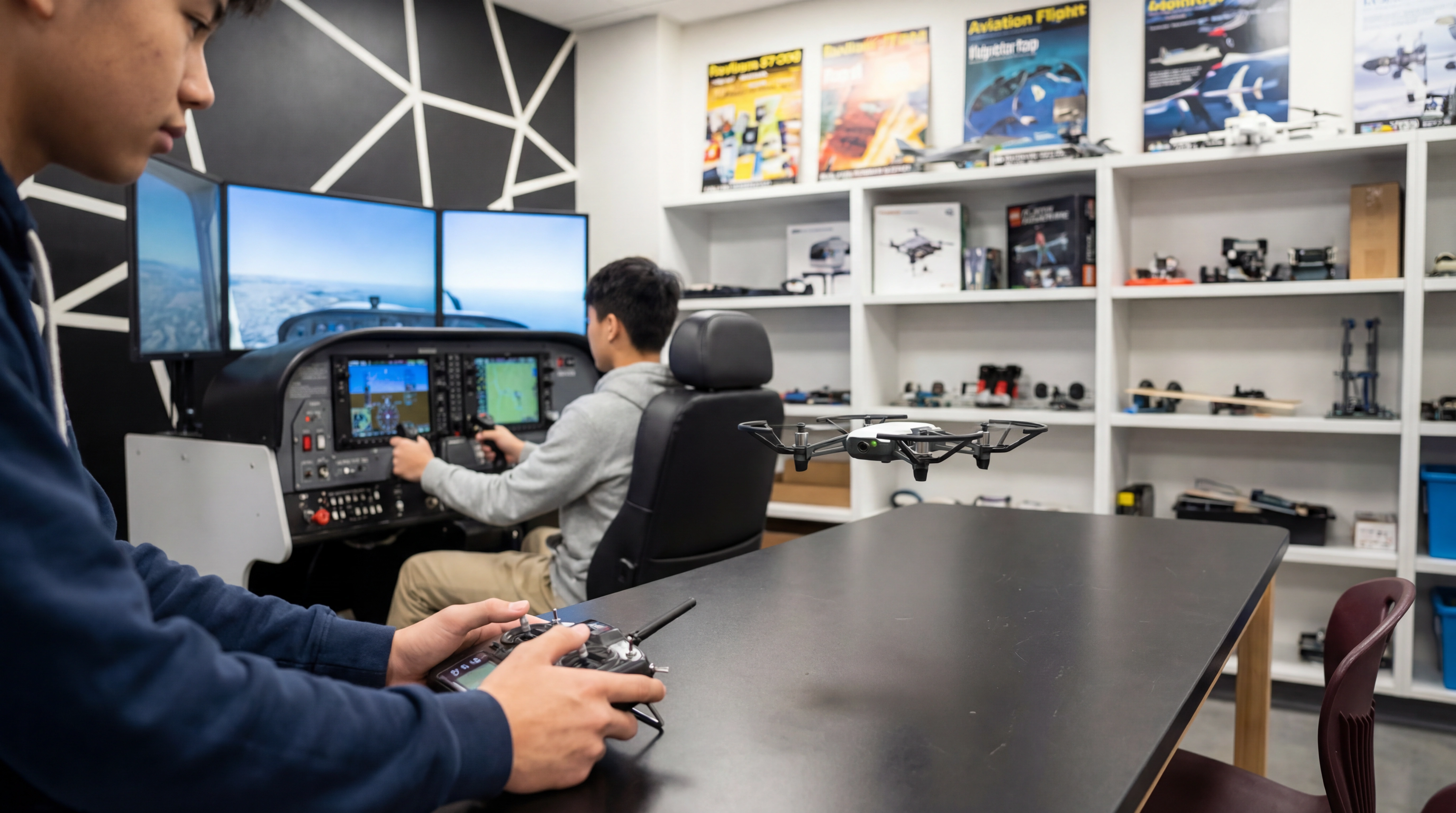
Drones & Aeronautics
Students pilot drones, study flight physics, and use aviation-grade flight simulators. They learn navigation, aerodynamics, and the principles behind unmanned aircraft systems.
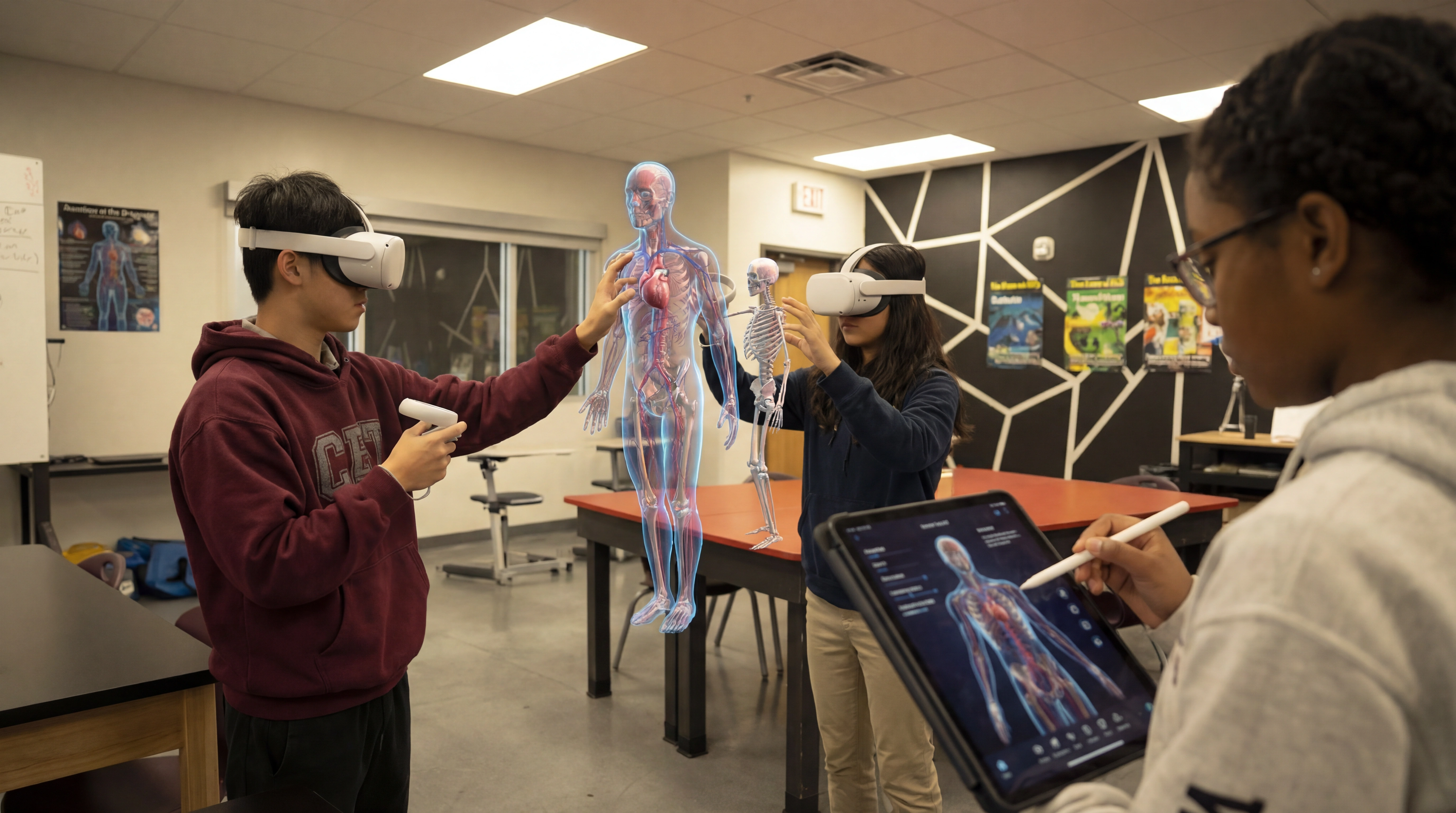
Virtual Reality
VR headsets let students walk through the human body, explore ancient civilizations, and run science experiments they could not do at a lab bench.
My son built his first robot in 4th grade and hasn't stopped since. The STEM labs gave him a place to experiment, fail, and figure things out on his own. That confidence carries into everything he does now.
Elementary (1st-5th)
1:1 devices from 1st grade, block-based coding, digital literacy, STEM exploration stations, and introductory robotics with guided projects.
Middle School (6-8)
PLTW Gateway courses, text-based coding, 3D design and printing, drone piloting, VR exploration, and structured engineering challenges.
High School (9-12)
Advanced PLTW pathways in engineering and biomedical science, AP Computer Science, flight simulation, entrepreneurship, and independent capstone projects.
Cross-Curricular
UTeach Panels in every classroom, data analysis in math, multimedia projects in English, and digital research across every subject.
Project Lead The Way
PLTW is the nation's leading STEM curriculum, used by over 12,000 schools. At CFP, it provides the backbone for our engineering and biomedical pathways from elementary through high school.
Students don't just learn concepts. They apply them. PLTW courses are project-based, requiring students to design solutions, test prototypes, and present their work to real audiences.
Building Tomorrow's Problem Solvers
Central Florida Preparatory School's STEM program is built on a simple idea: students learn best when they build things with their hands. Our two 1,100 sq ft STEM labs provide dedicated space for robotics, coding, 3D printing, biomedical research, and engineering design. Every student from 1st through 12th grade has their own device, and 22 interactive UTeach Panels connect classrooms across campus.
Through the nationally recognized Project Lead The Way curriculum, students tackle real-world challenges in engineering and biomedical science. They design prototypes, write code, pilot drones, and present their work to real audiences. Every project develops the critical thinking, collaboration, and technical skills students need for college and careers.