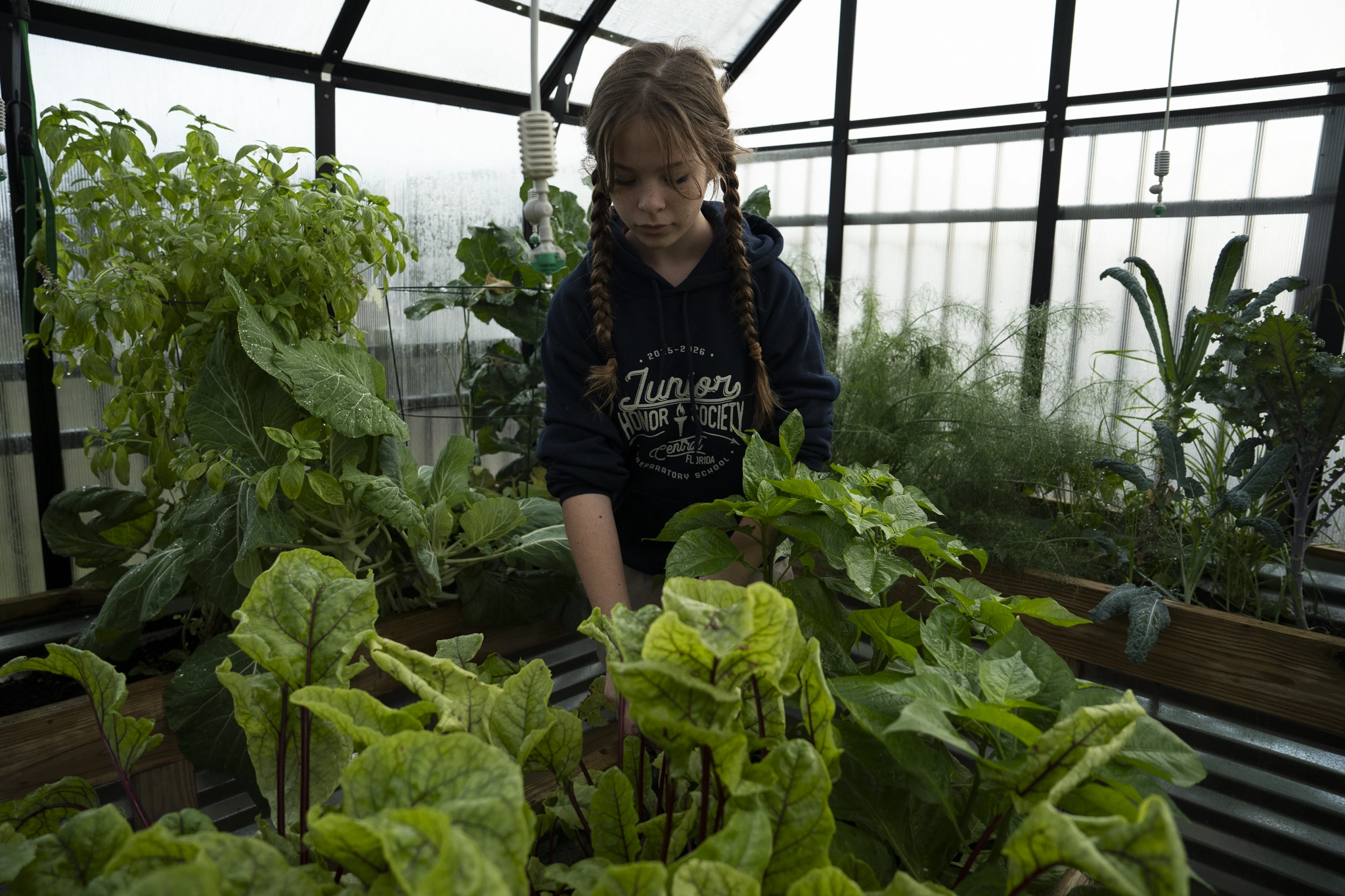
What We Grow
Six distinct learning spaces where science meets nature and students get their hands dirty.
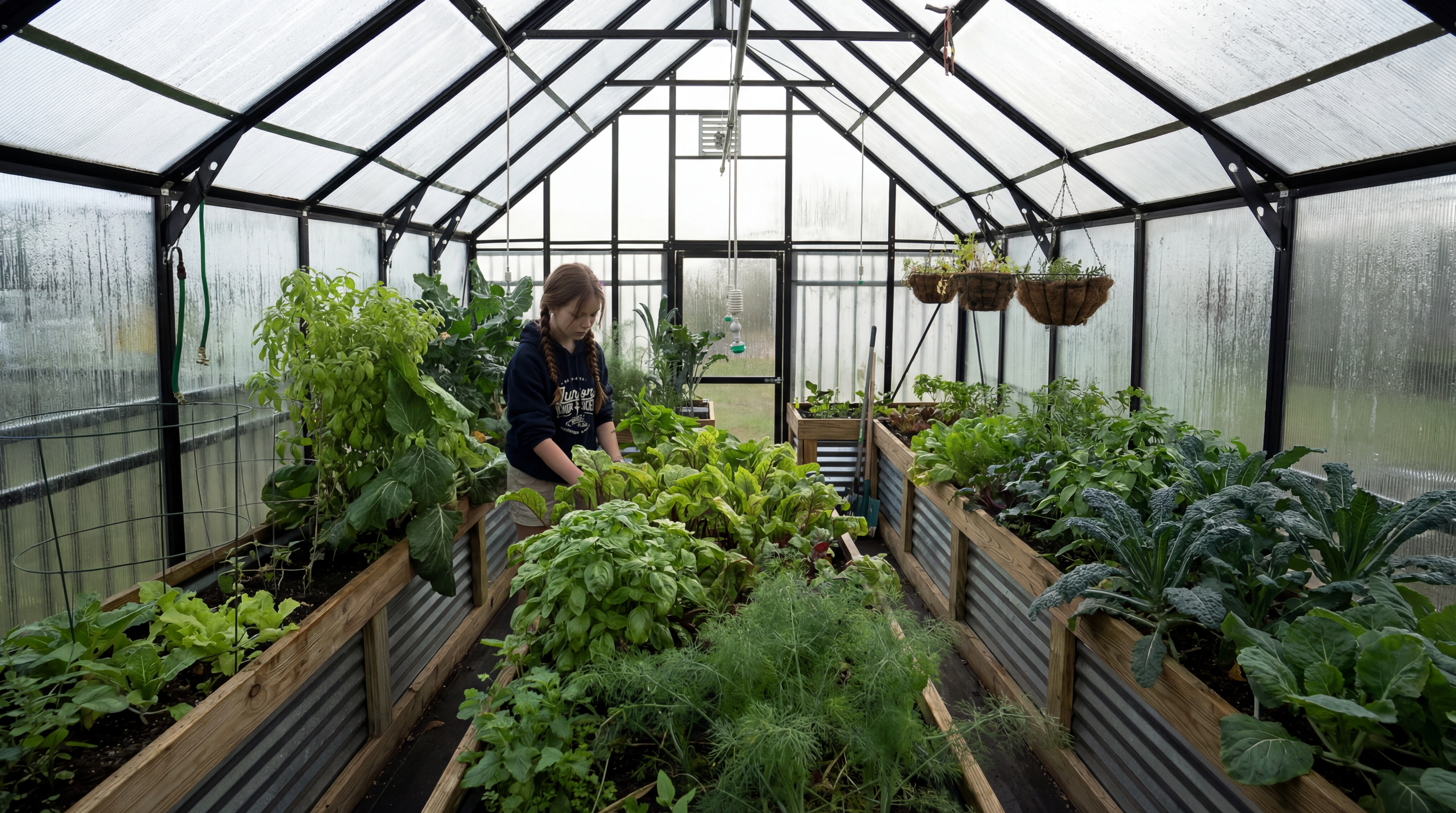
Solar Greenhouses
Two fully solar-powered 8x16 greenhouses use both soil and hydroponic growing techniques. Students learn sustainable agriculture while experimenting with different growing methods and seasonal crops.
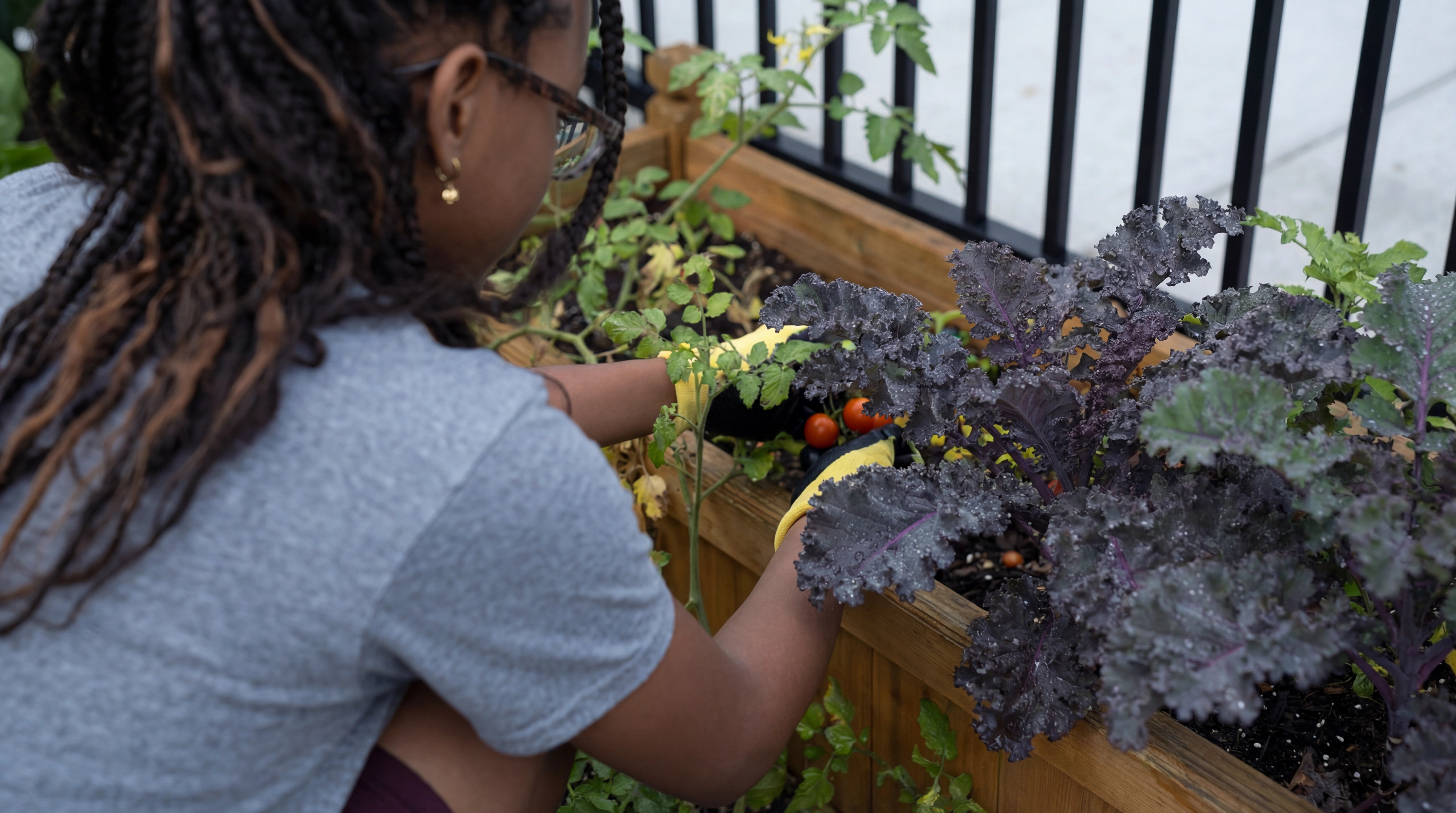
Raised Garden Beds
Multiple outdoor raised garden beds provide hands-on planting stations where students cultivate vegetables, herbs, and flowers while learning about soil health, composting, and organic growing practices.
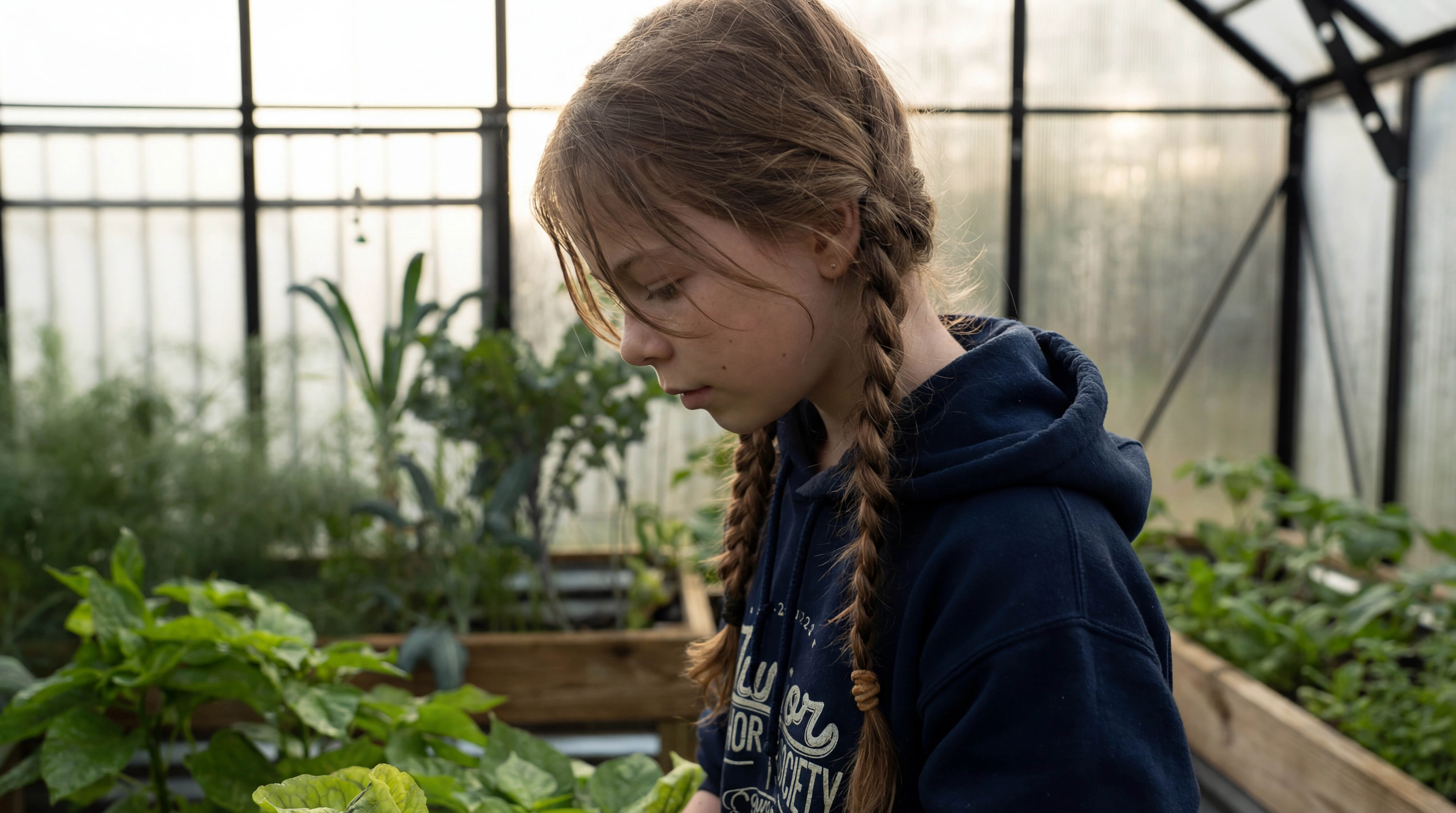
Outdoor Classroom
A covered outdoor learning space allows classes to meet surrounded by nature. Students observe seasonal changes, conduct science experiments, and connect classroom concepts to the natural world.
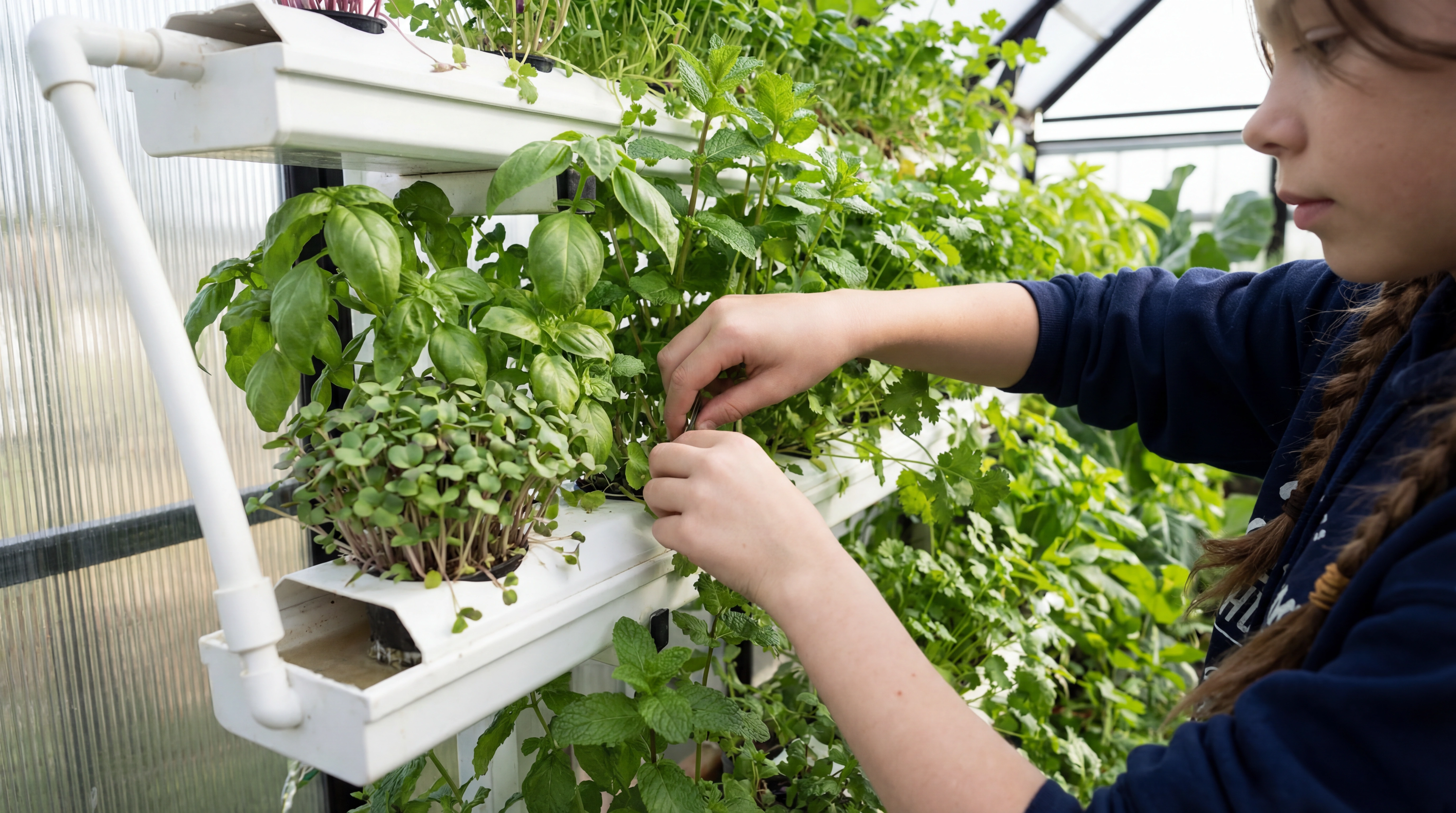
Hydroponic Systems
Students monitor pH levels, adjust nutrient solutions, and track plant growth in our hydroponic systems. This introduces modern agricultural technology and problem-solving skills.
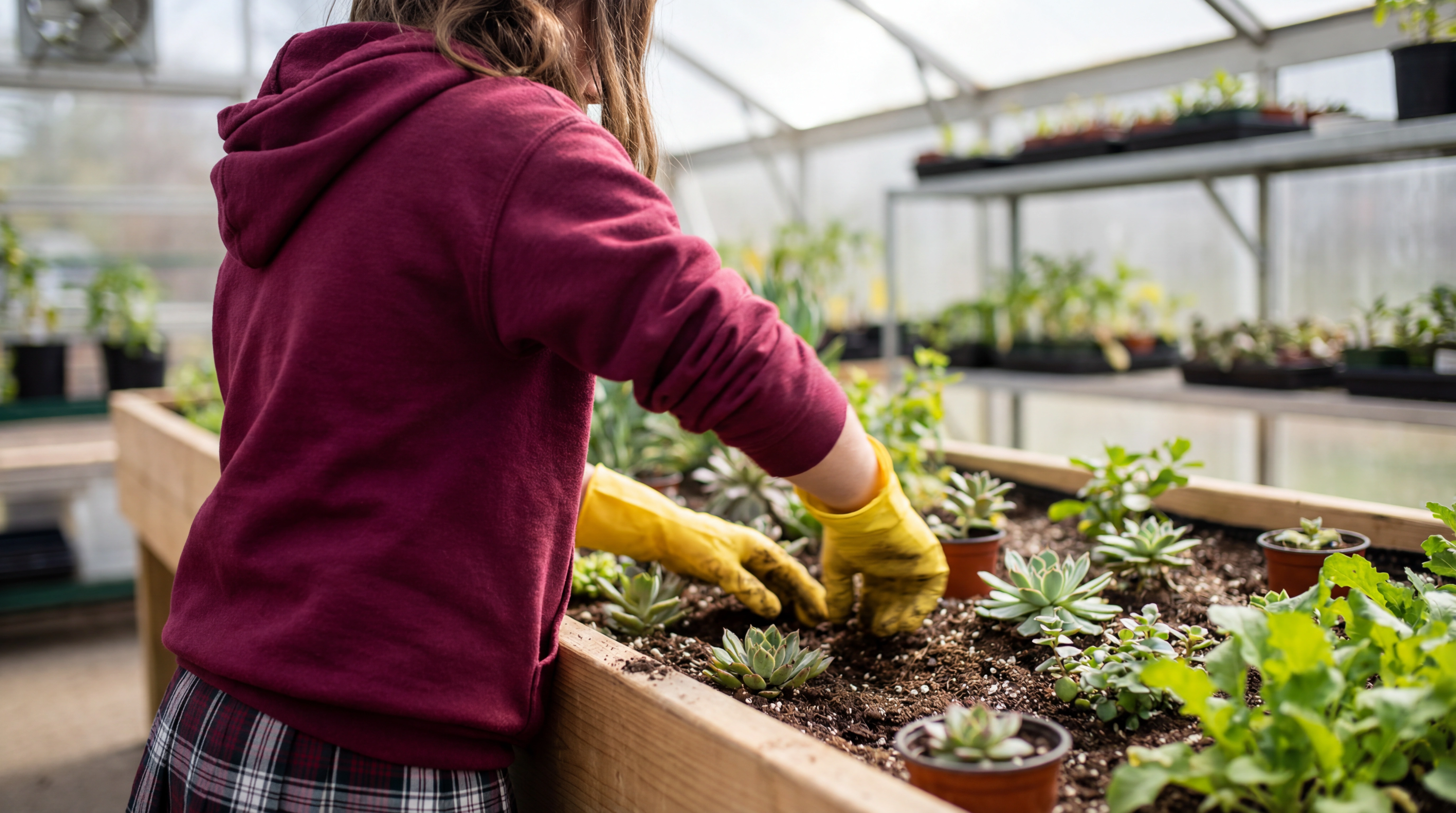
Environmental Science
Our gardens serve as living laboratories for studying ecosystems, photosynthesis, pollination, water cycles, and climate. Learning extends beyond textbooks into real-world observation.
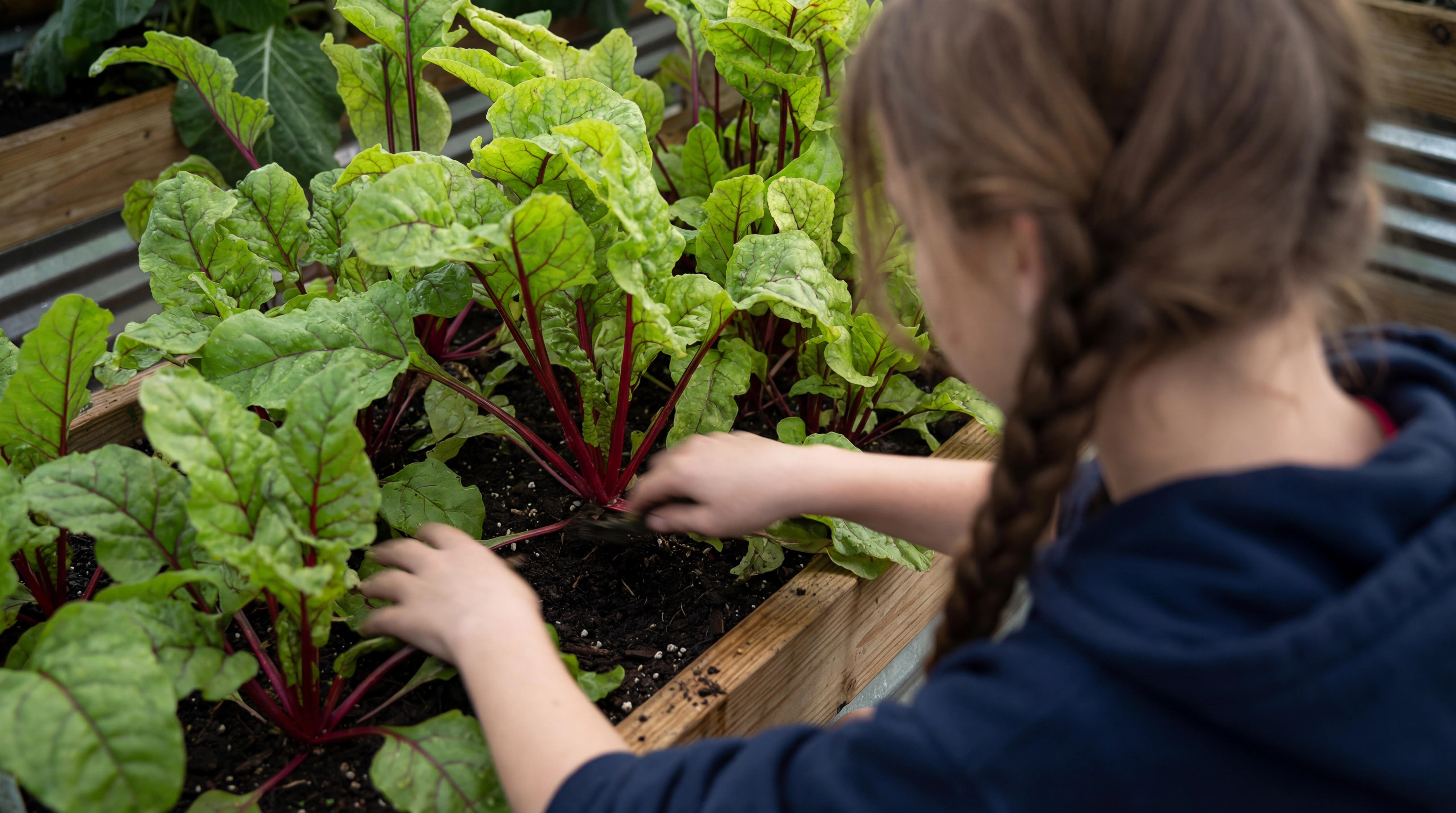
Farm-to-Table Connection
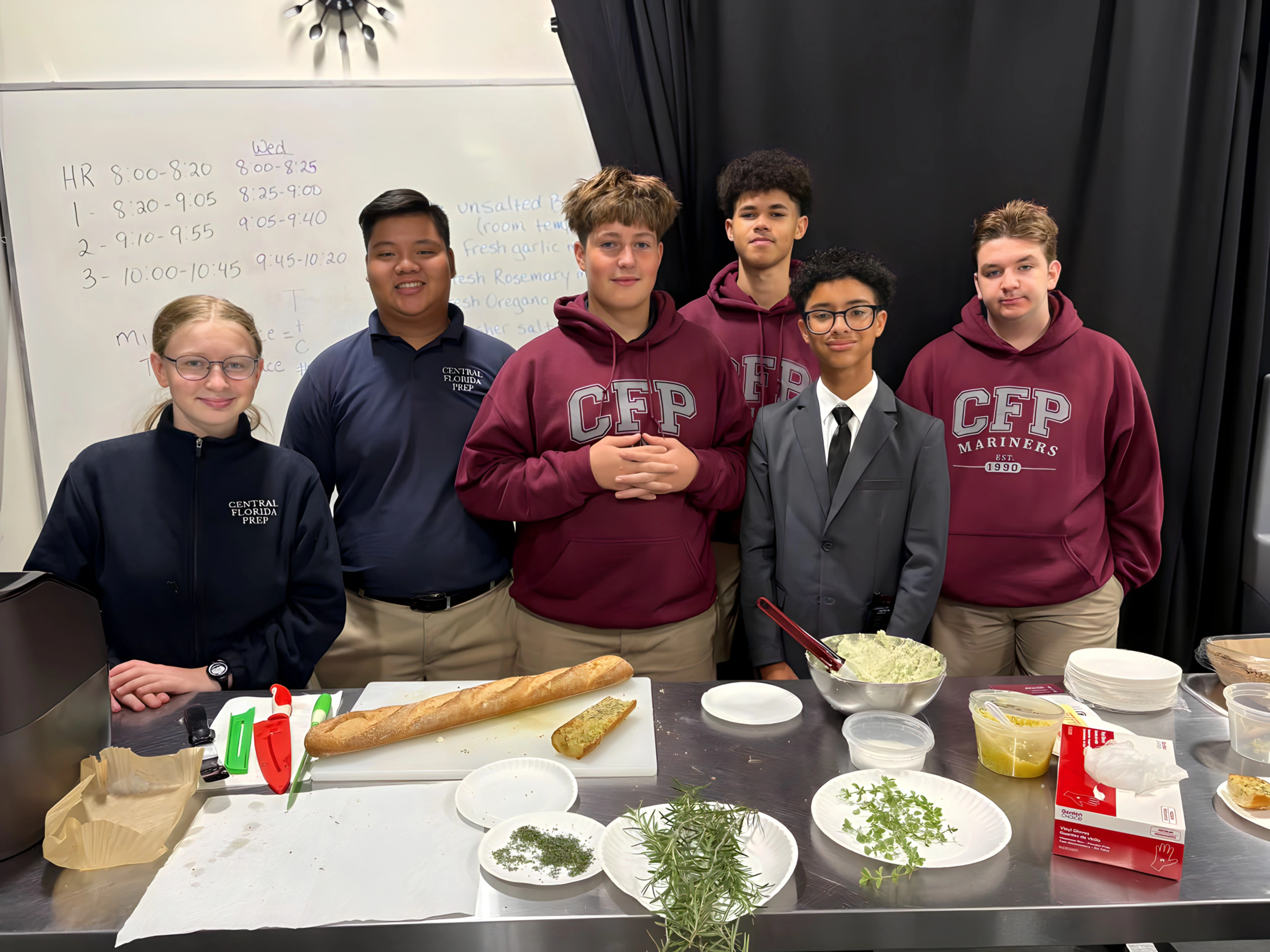
Students harvest produce they've grown and bring it to our culinary kitchen, closing the loop from seed to plate. This teaches nutrition, food systems, and where meals come from.
My daughter used to say she didn't like vegetables. Now she grows them herself and can't wait to bring her harvest home. The outdoor program completely changed her relationship with food and nature.
Elementary Students
Plant seeds, observe growth cycles, learn about pollinators, and discover where food comes from through hands-on garden exploration.
Middle School Students
Design controlled experiments comparing soil vs. hydroponic growth, analyze data, and present findings using the scientific method.
Upper School Students
Analyze sustainable agriculture, study environmental impact, and connect ecological concepts to global food systems and climate science.
Cross-Curricular
Math through measurement, science through observation, art through botanical drawing, writing through nature journals. The garden connects every subject.
Growing Minds & Gardens
At Central Florida Prep, outdoor learning isn't an add-on. It's woven into our curriculum across grade levels. Elementary students plant seeds and observe growth cycles. Middle school students design experiments comparing soil vs. hydroponic growth. Upper school students analyze sustainable agriculture and environmental impact.
This hands-on approach develops scientific thinking, environmental stewardship, and an appreciation for where food comes from. Students who grow gardens grow in confidence, patience, responsibility, and wonder at the natural world.